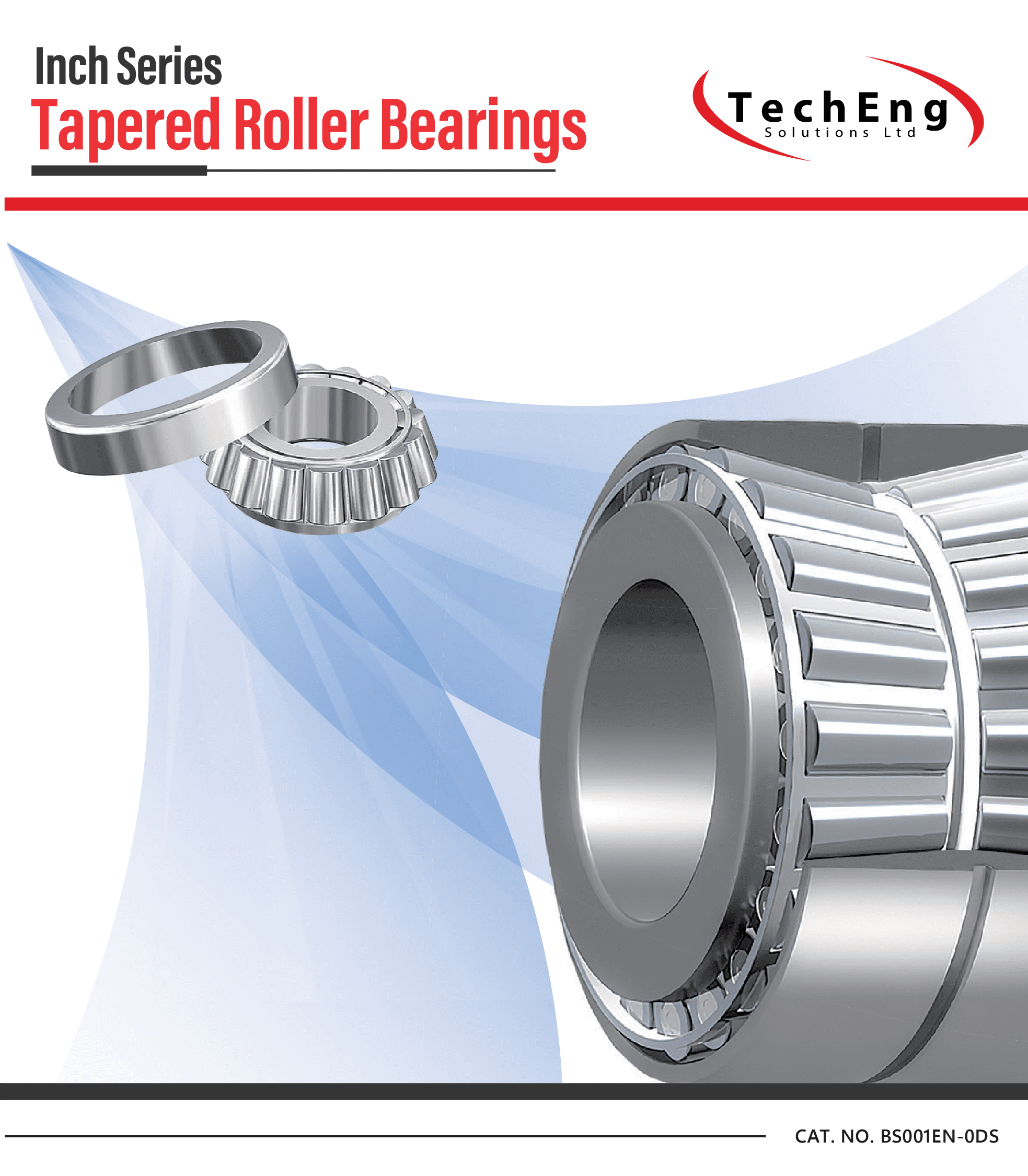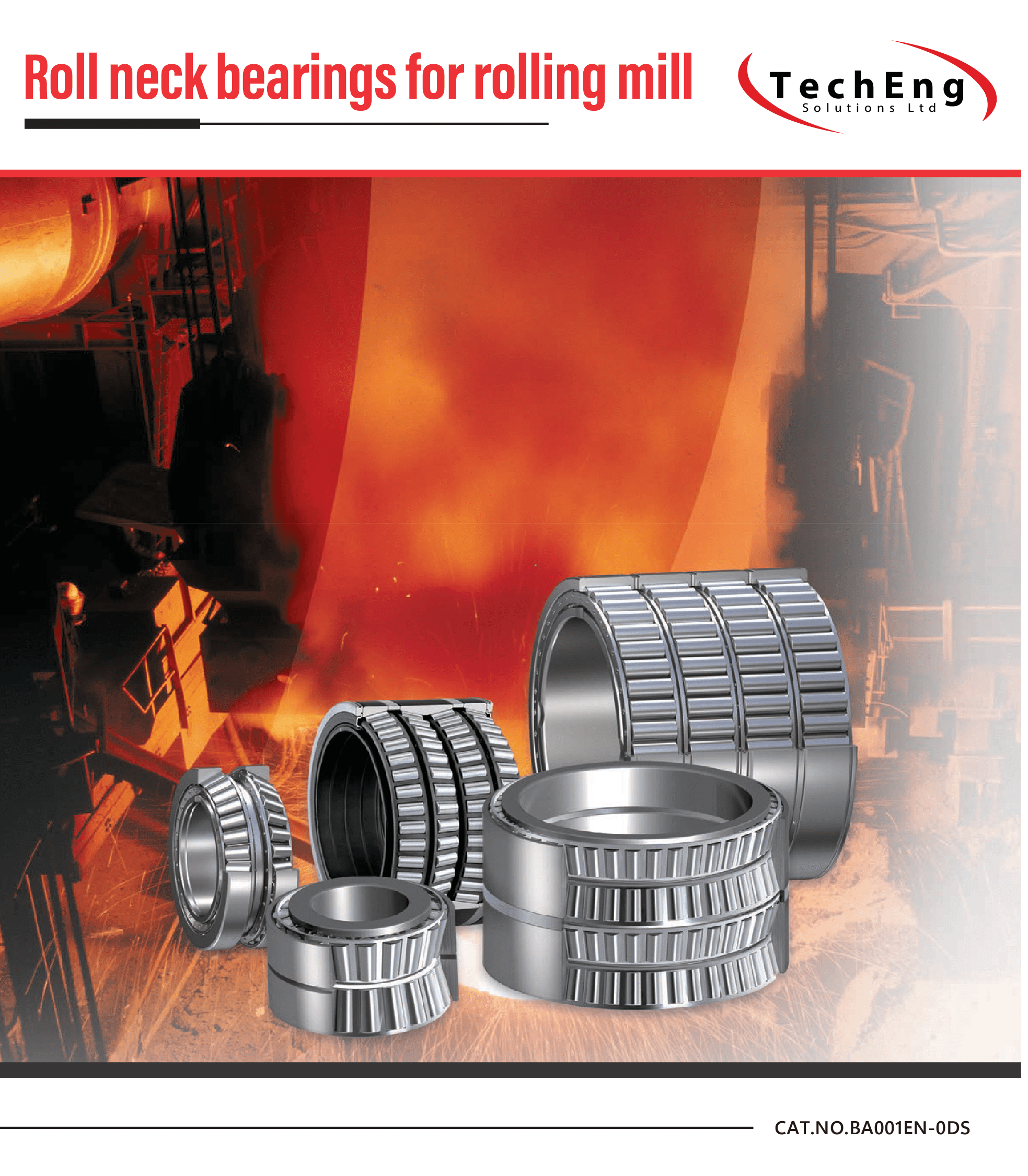


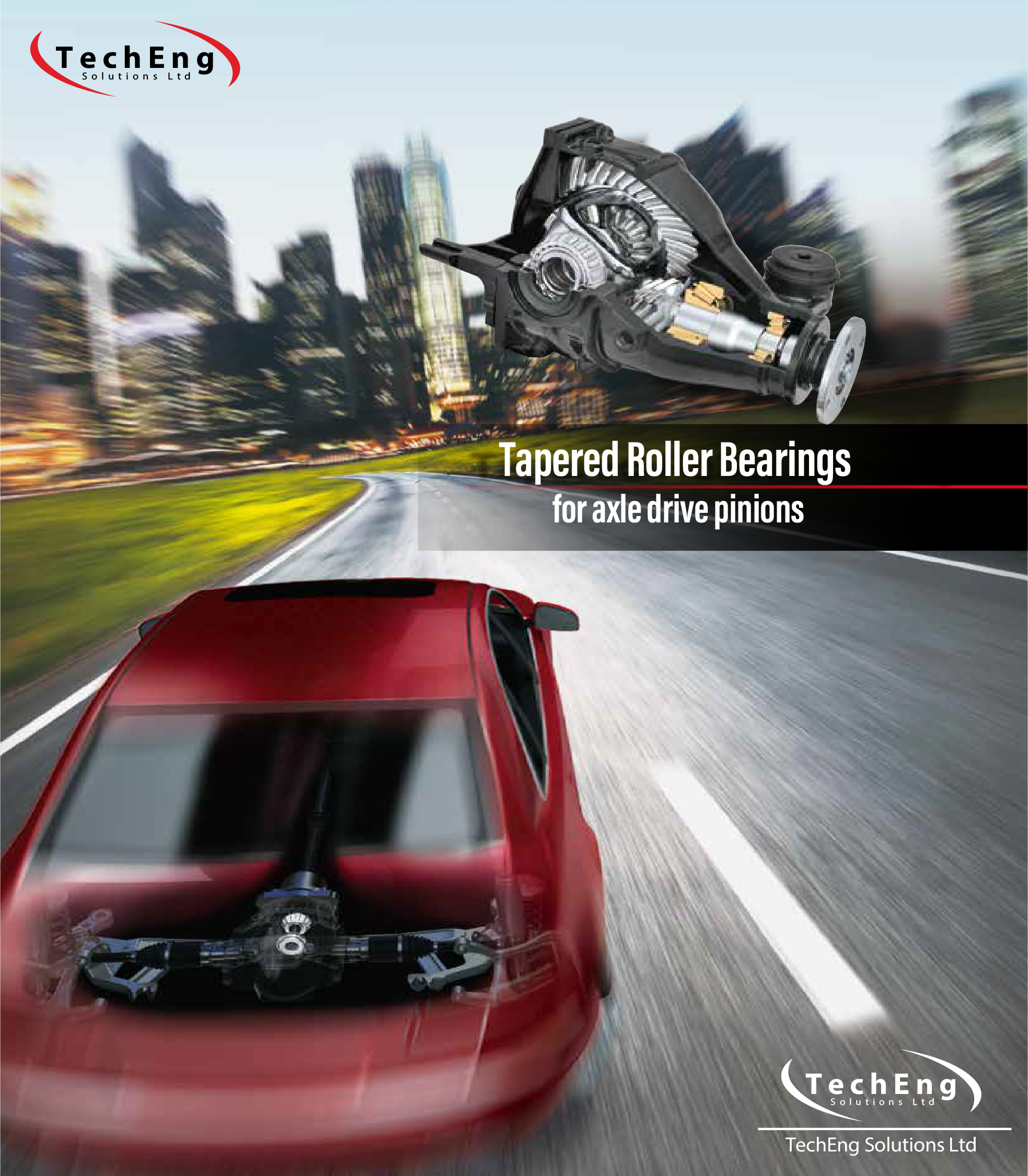
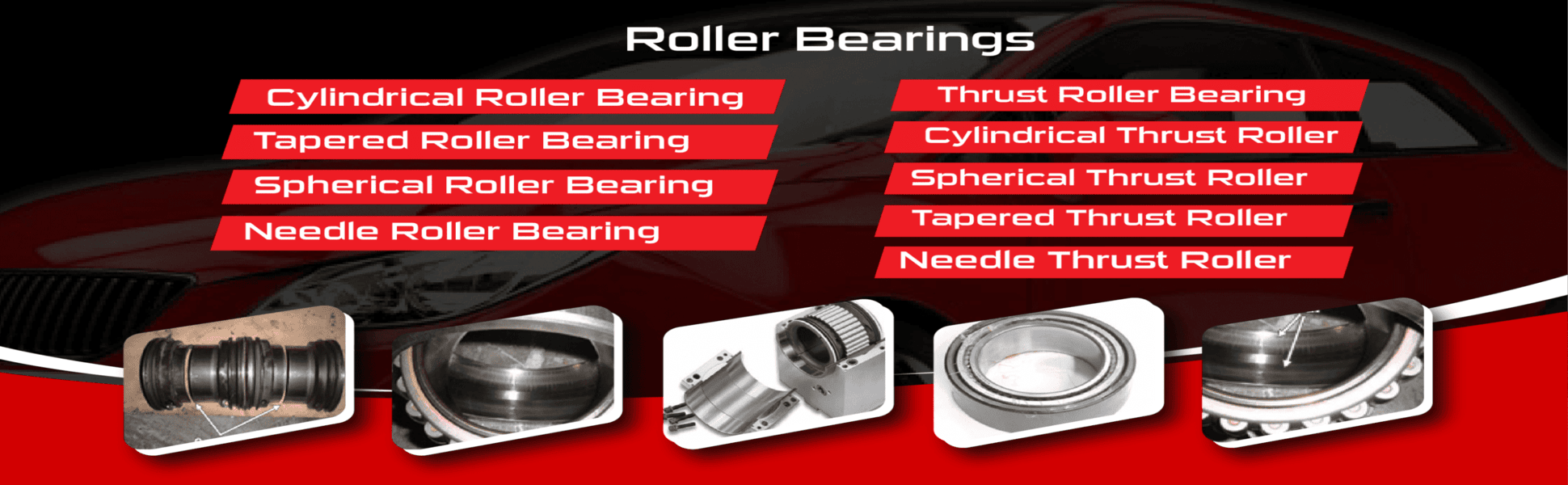




A Tapered Roller Bearing is a type of rolling element bearing that uses conical rollers arranged in a cone shape. This unique design allows it to handle both radial loads (forces perpendicular to the shaft) and axial loads (forces parallel to the shaft).
The main components of a tapered roller bearing are:
Cup: The outer ring, which fits into a housing.
Cone: The inner ring, which fits onto the shaft and includes the tapered rollers and a cage to hold them.
The key to their functionality is the geometry: the surfaces of the inner and outer rings and the rollers are all tapered, and if their lines were extended, they would all meet at a single point on the bearing’s axis. This prevents the rollers from sliding, reduces friction, and allows for smooth operation under heavy combined loads.
Key Features and Applications of Tapered Roller Bearing
Tapered roller bearings are highly versatile and are often used in pairs to handle thrust loads from both directions. Their robust design and ability to manage significant forces make them ideal for heavy-duty applications.
Handling Combined Loads: The tapered design is specifically engineered to handle both radial and axial forces simultaneously, which is a major advantage over bearings that can only handle one type of load.
High Rigidity: They provide high rigidity, which is essential for applications where precise shaft guidance is required.
Separable Design: The cup and cone can be mounted separately, which simplifies the installation process.
Common applications include:
Automotive: Wheel hubs, transmissions, and differentials.
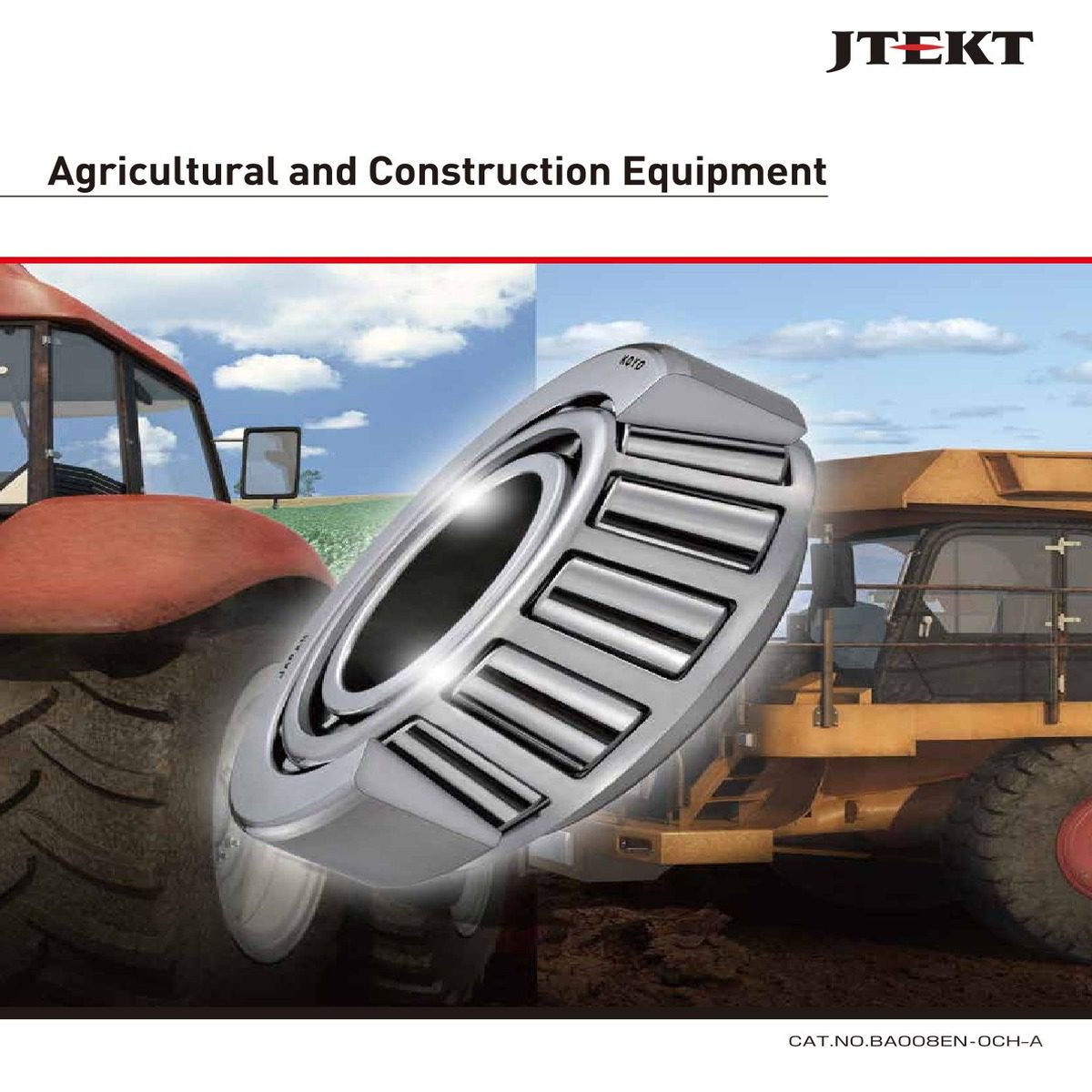
Heavy Machinery: Gearboxes, agricultural equipment, and construction vehicles.
Industrial: Conveyor systems and rolling mills.