

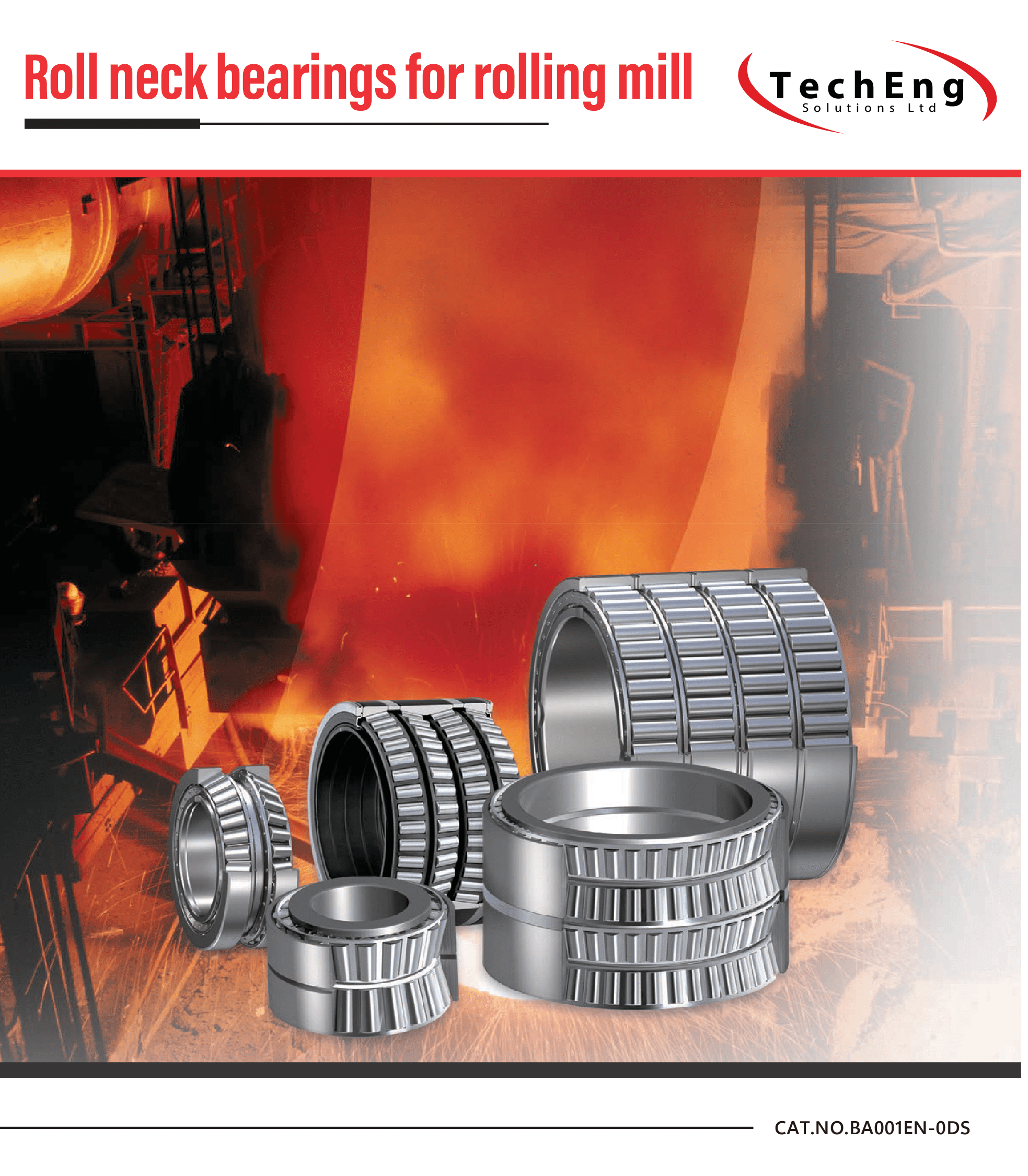
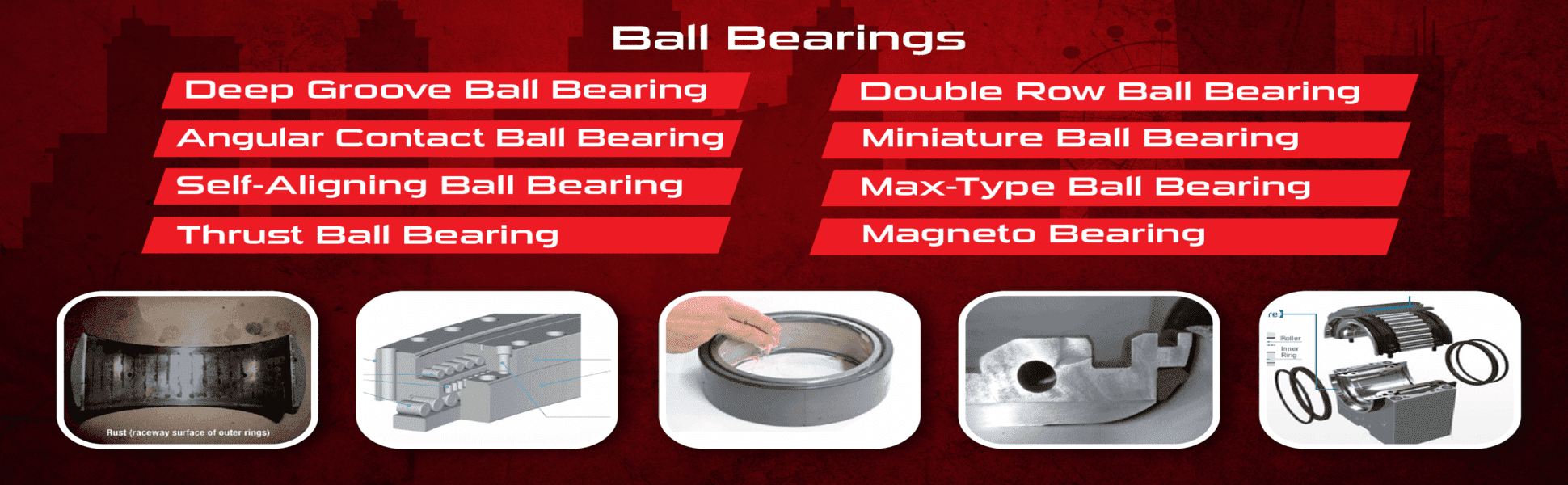




A Roll Neck Bearing is a type of heavy-duty bearing specifically designed for use in a rolling mill to support the massive forces involved in deforming metal. It is one of the most critical components of the mill, as its performance directly impacts the quality and efficiency of the final product.
The primary function of a roll neck bearing is to support the roll neck, which is the section of a rolling mill’s roll that fits into the bearing housing. Rolling mills, whether hot or cold, subject these bearings to extremely high loads, shock, and often harsh environmental conditions like water, heat, and dirt.
Types and Characteristics
Due to the demanding conditions, several types of bearings are used as roll neck bearings, each with unique advantages:
-
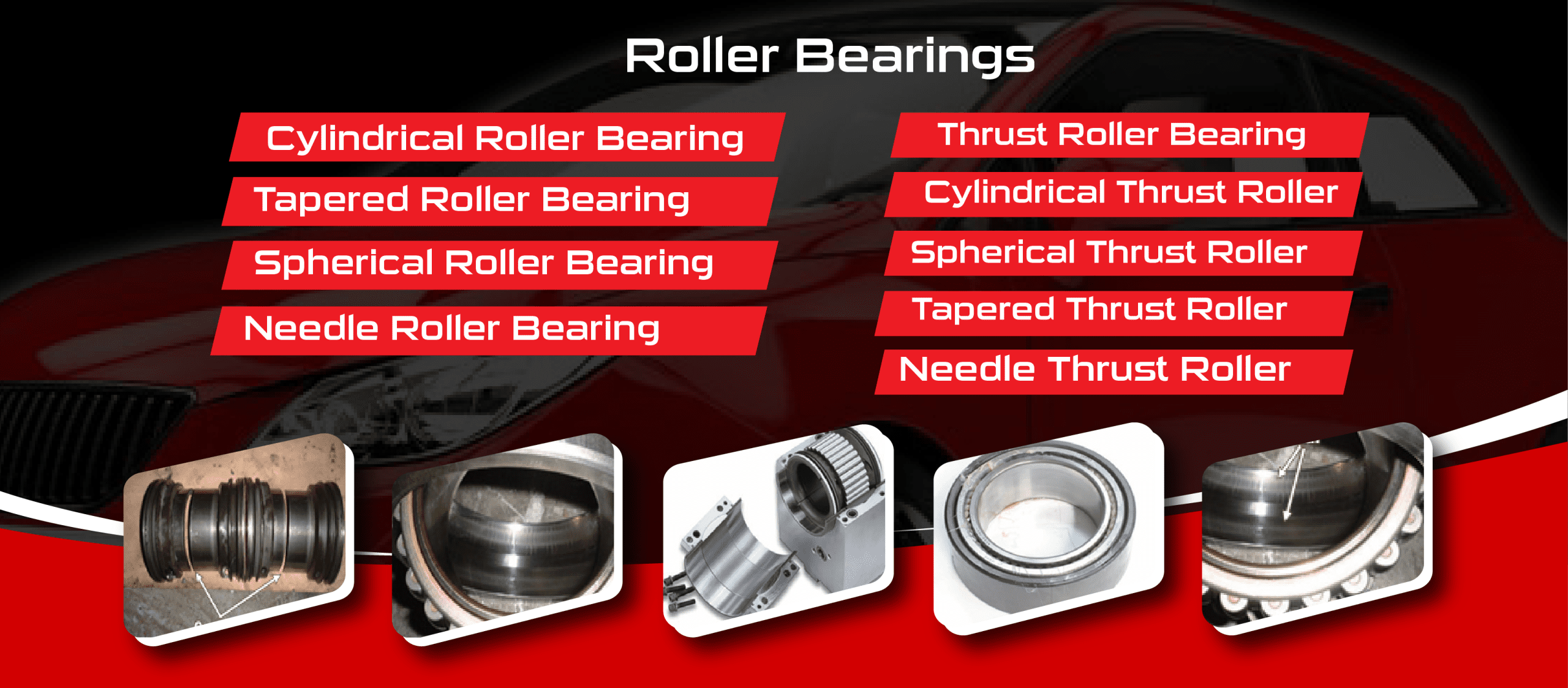
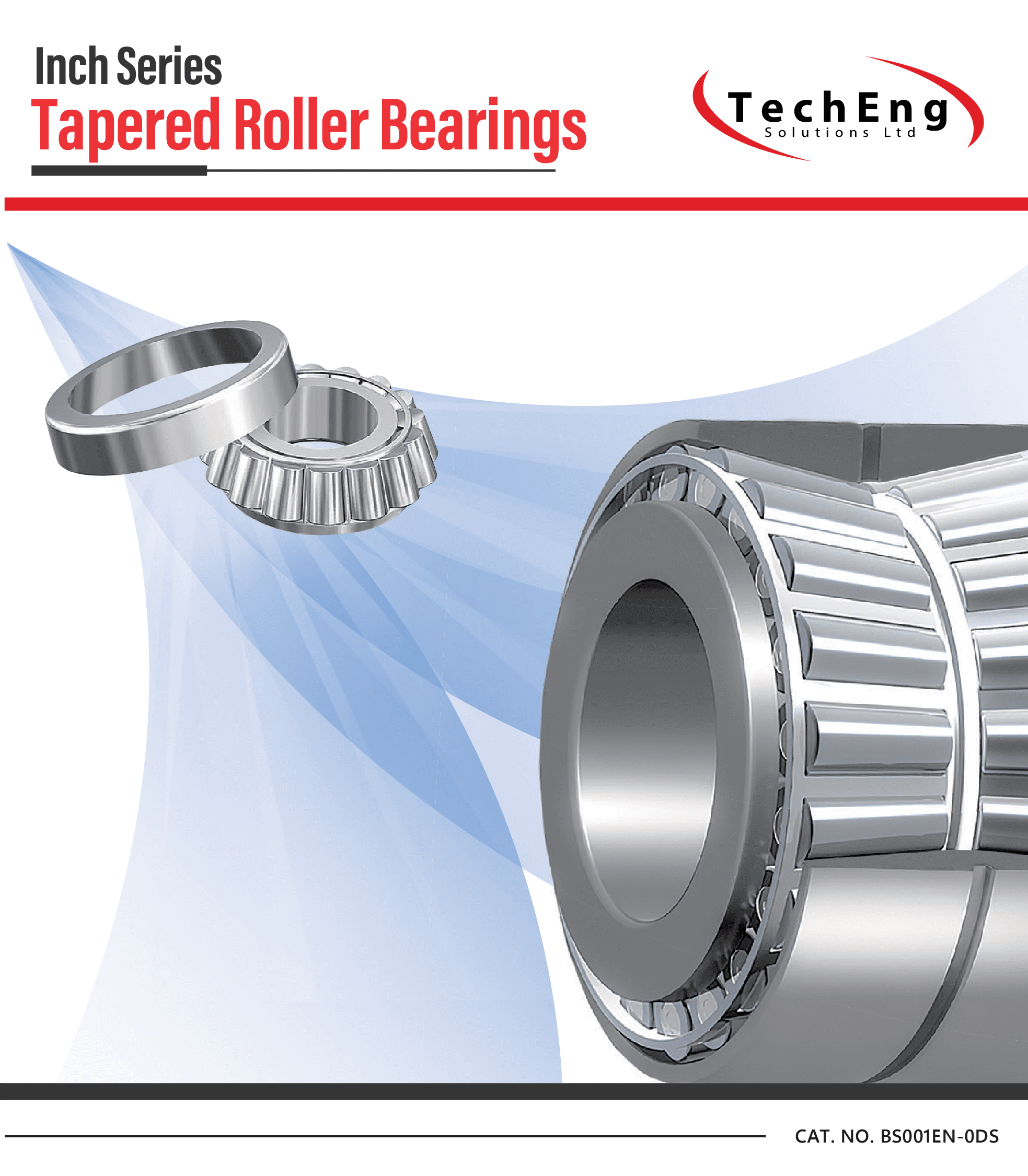
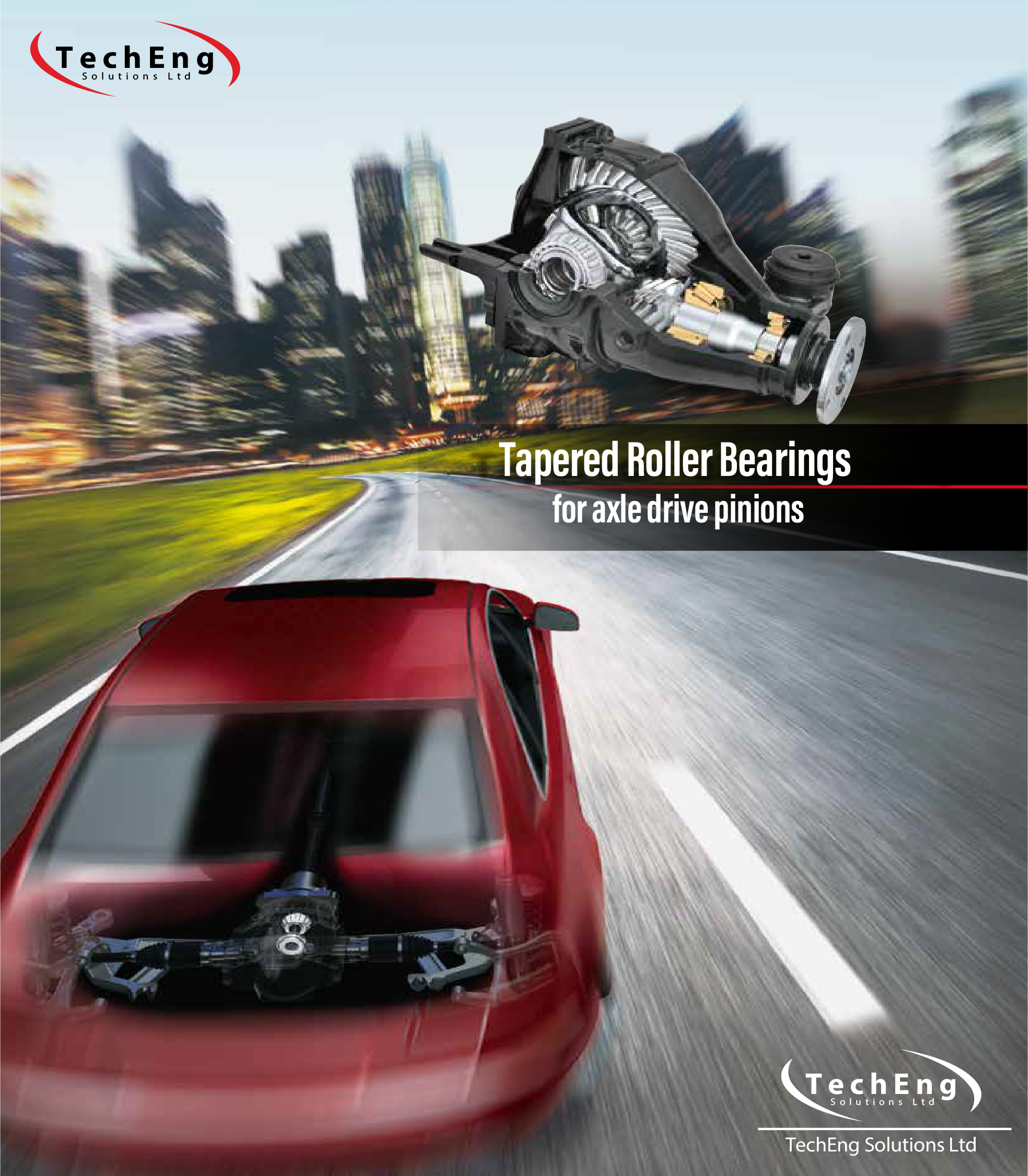
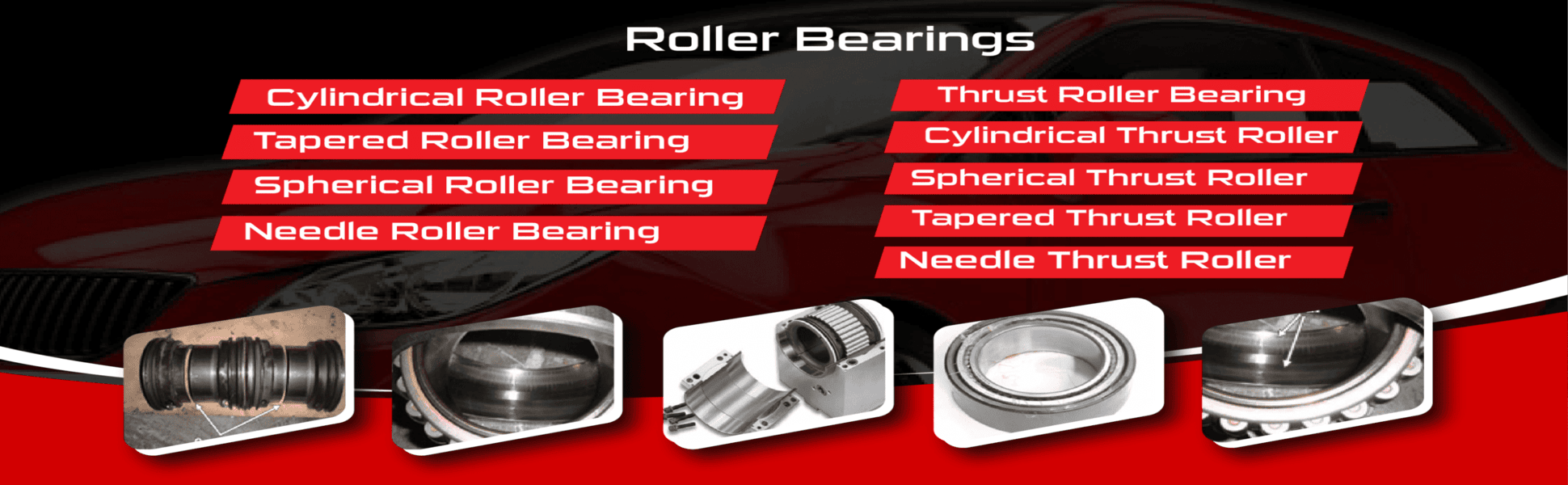
- Four-row tapered roller bearings: These are the most common type. They can handle a combination of high radial (vertical) and axial (horizontal) loads simultaneously, which is essential for rolling operations. They are also easy to mount and dismount, which is crucial for quick roll changes.
- Four-row cylindrical roller bearings: These are used for applications that require high radial load capacity and high speeds. Because they do not handle axial loads, they are often paired with a separate thrust bearing to support the horizontal forces.
- Spherical roller bearings: These bearings are self-aligning, which means they can accommodate some shaft misalignment without a reduction in performance. This makes them highly robust for the unpredictable forces in a rolling mill.
Challenges and Failures
The hostile environment of a rolling mill puts immense stress on roll neck bearings. The most common causes of failure include:
-
- Improper Lubrication: This is the leading cause of bearing failure, accounting for up to 80% of breakdowns. Insufficient or contaminated lubricant leads to metal-to-metal contact, friction, and heat buildup.
- Contamination: Water, dirt, and metal particles (scale) can enter the bearing and contaminate the lubricant, causing abrasive wear.
- Overloading and Fatigue: Excessive rolling force or repeated stress cycles can lead to material fatigue, causing surface spalling or cracking.
To prevent these issues, modern roll neck bearings are often sealed to protect against contaminants, and they require a robust lubrication system to ensure continuous, clean oil or grease is supplied.