


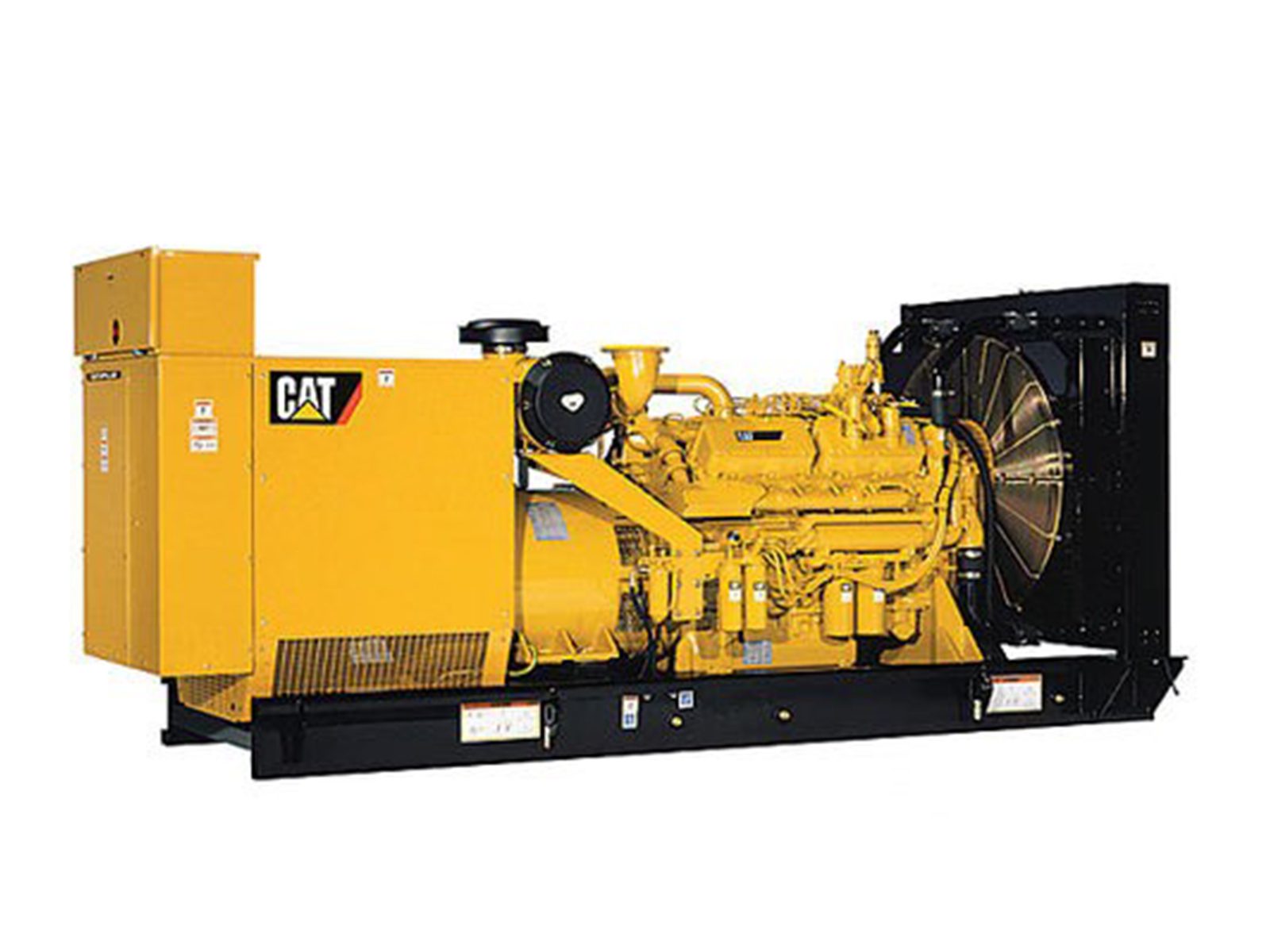
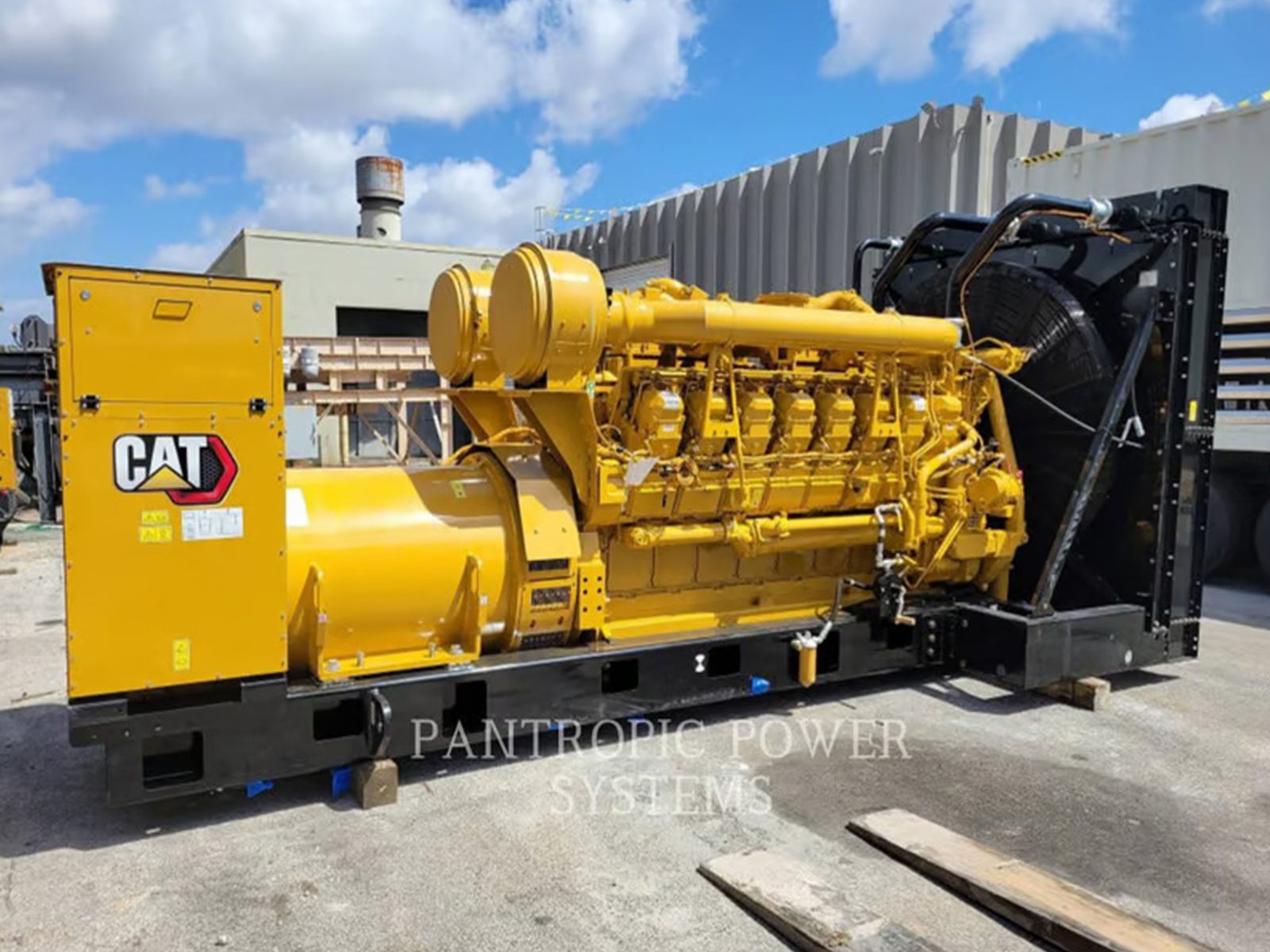
500 KW Caterpillar Industrial Generator
- Capacity: 500 KW
- Brand: Caterpillar
- Volts: 277/480v
- Amps: 752

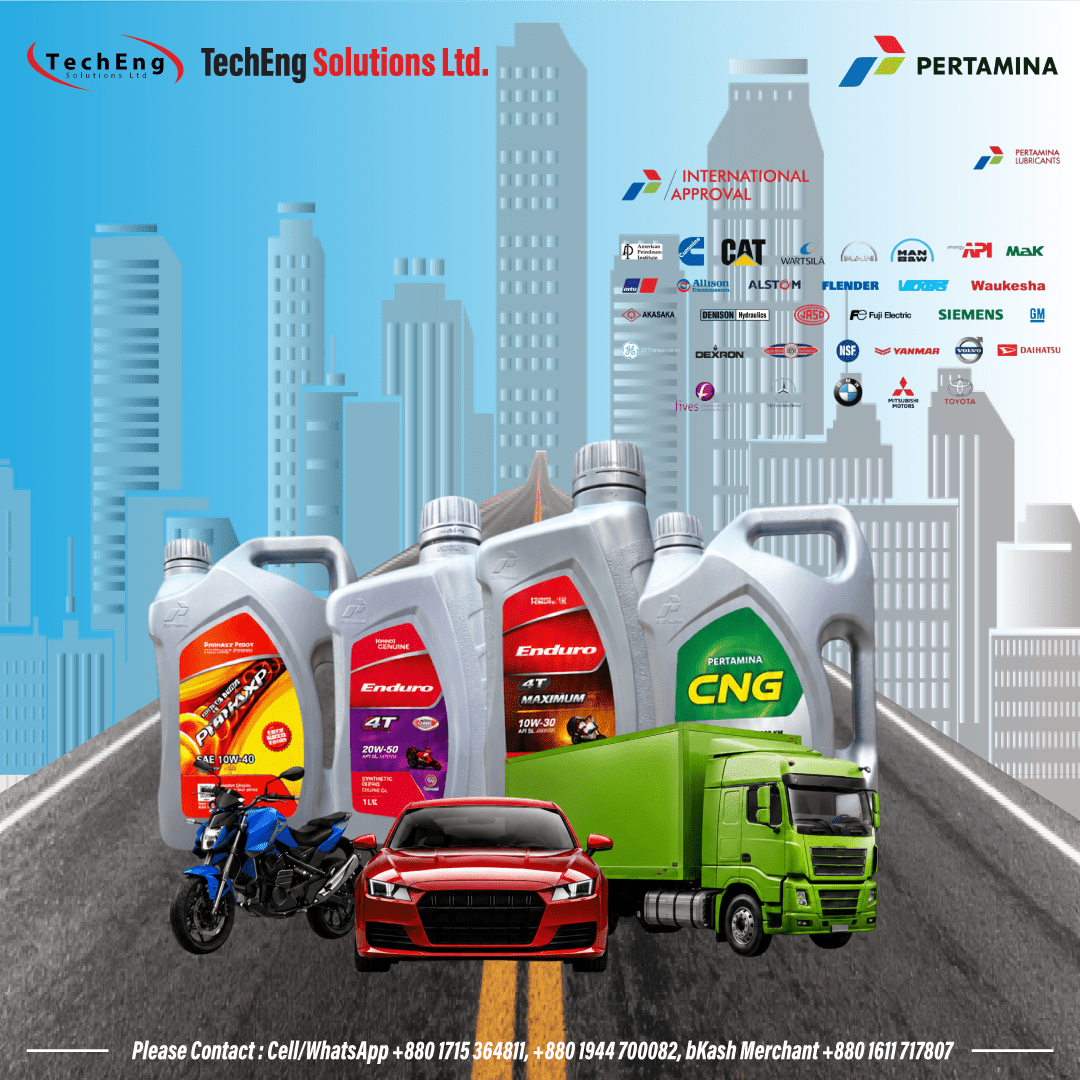
Automotive Oil ENDURO 4T PREMIUM SAE 10W-30
TechEng Solutions Ltd presents ENDURO Premium 4T 10W-30 and Pertamina lubricants for motorcycles, cars, and commercial vehicles with a full product range and contact details.
ENDURO Premium 4T SAE 10W-30 is a premium motorcycle engine oil designed for 4-stroke engines. Meeting API SL and JASO MA standards, it delivers reliable engine protection, smooth clutch performance, excellent wear resistance, and cleaner engine operation for everyday and long-distance riding.

Automotive Oil ENDURO 4T RACING SAE 10W-40
ENDURO 4T RACING SAE 10W-40 is a premium synthetic blend motorcycle engine oil formulated for 4-stroke engines. Meeting API SL and JASO MA2 standards, it provides superior engine protection, smooth gear shifting, excellent wet-clutch performance, and reliable lubrication for everyday and high-performance riding.
Automotive Oil ENDURO 4T SAE 20W-40
TechEng Solutions Ltd presents ENDURO 4T 20W-50 and Pertamina lubricants for motorcycles, cars, and commercial vehicles with full product range and contact details.
ENDURO 4T SAE 20W-40 is a premium motorcycle engine oil designed for 4-stroke engines. Meeting API SL and JASO MA standards, it delivers reliable engine protection, smooth clutch performance, excellent wear resistance, and cleaner engine operation for everyday and long-distance riding.
Automotive Oil ENDURO 4T SAE 20W-50

JASO MA / API Service SL
(Motor Cycle Engine Oil)
PERFORMANCE LEVELS
ENDURO 4T SAE 20W-50 meets the performance level of API SL and JASO MA (approved).

Automotive Oil FASTRON GOLD SAE 5W-30
FASTRON GOLD SAE 5W-30 is a premium fully synthetic engine oil for modern petrol and light-duty diesel engines. It delivers outstanding wear protection, engine cleanliness, fuel efficiency, and reliable performance while meeting API SN/CF, ACEA C3, and leading European OEM approvals.
Automotive Oil PRIMAXP MULTIGRADE SAE 10W-40
PRIMA XP MULTIGRADE SAE 10W-40 is a premium semi-synthetic engine oil designed for petrol and light-duty diesel engines. Meeting API SM/CF standards, it provides excellent wear protection, engine cleanliness, smooth performance, and dependable lubrication in all driving conditions.
Automotive Oil PRIMAXP MULTIGRADE SAE 20W-50
PRIMA XP MULTIGRADE SAE 20W-50 is a premium multigrade engine oil for petrol and light-duty diesel engines. Meeting API SL standards, it provides superior wear protection, engine cleanliness, reliable lubrication, and long-lasting performance under demanding conditions.
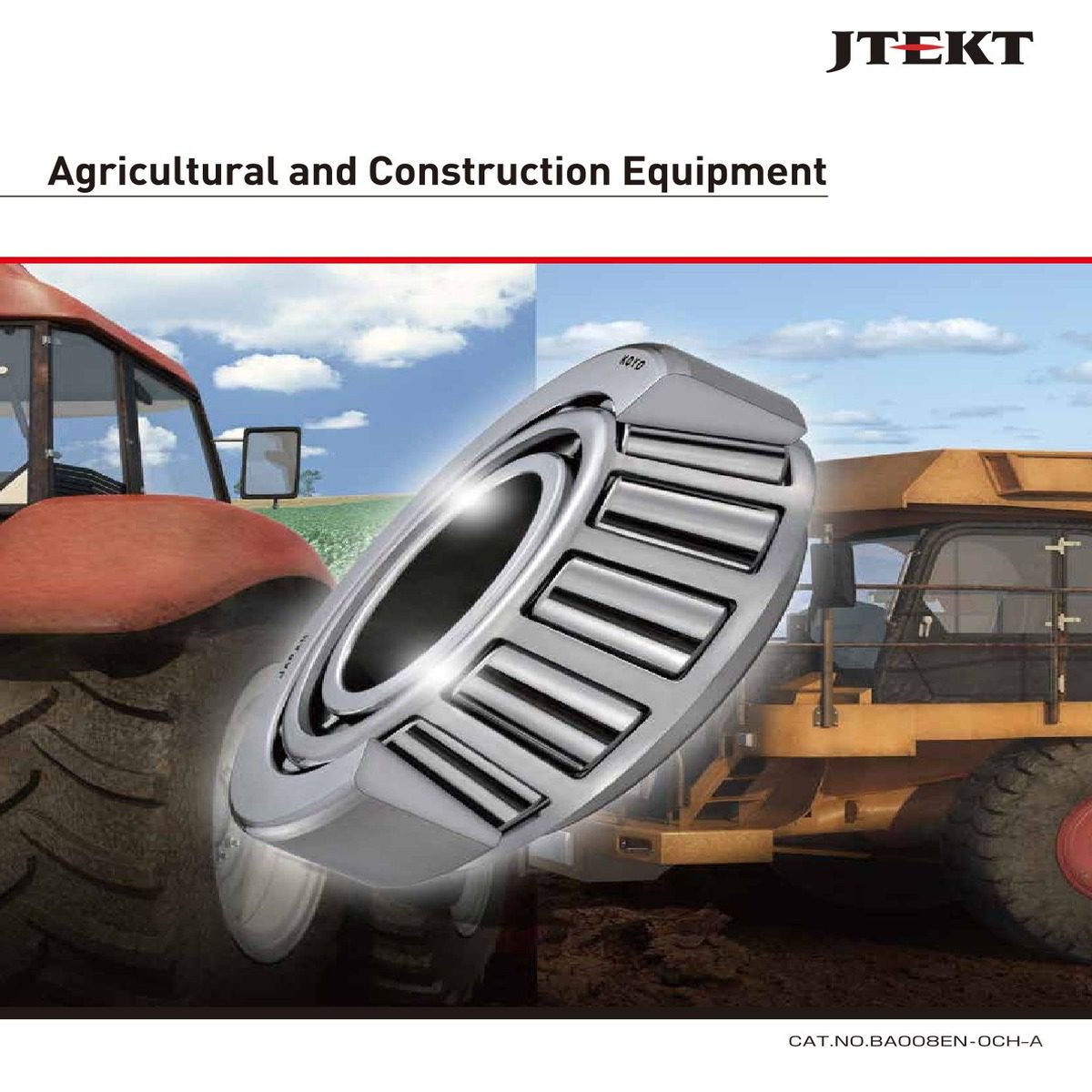
Bearing for Agricultural and Construction Equipment
Common Types of Bearings for Agricultural and Construction Equipment
Several types of bearings are purpose-built for these applications:
-
Tapered Roller Bearings: Used in wheel hubs and transmissions of tractors and heavy trucks where high radial and axial loads are present.
-
Spherical Roller Bearings: Ideal for articulated joints, pivot points, and shafts that may experience misalignment, such as in combines and excavators.
-
Agricultural Disc Bearings: These are special sealed ball bearing units designed for disc harrows and tillage equipment. They are often “sealed for life” and do not require maintenance.
-
Deep Groove Ball Bearings: While also used in less demanding applications, specially sealed and pre-lubricated versions are used in fans, pulleys, and small shafts to provide protection from contaminants.
The longevity and reliability of agricultural and construction equipment depend heavily on selecting and maintaining the correct type of bearing, as improper lubrication and contamination are the leading causes of bearing failure in these industries.

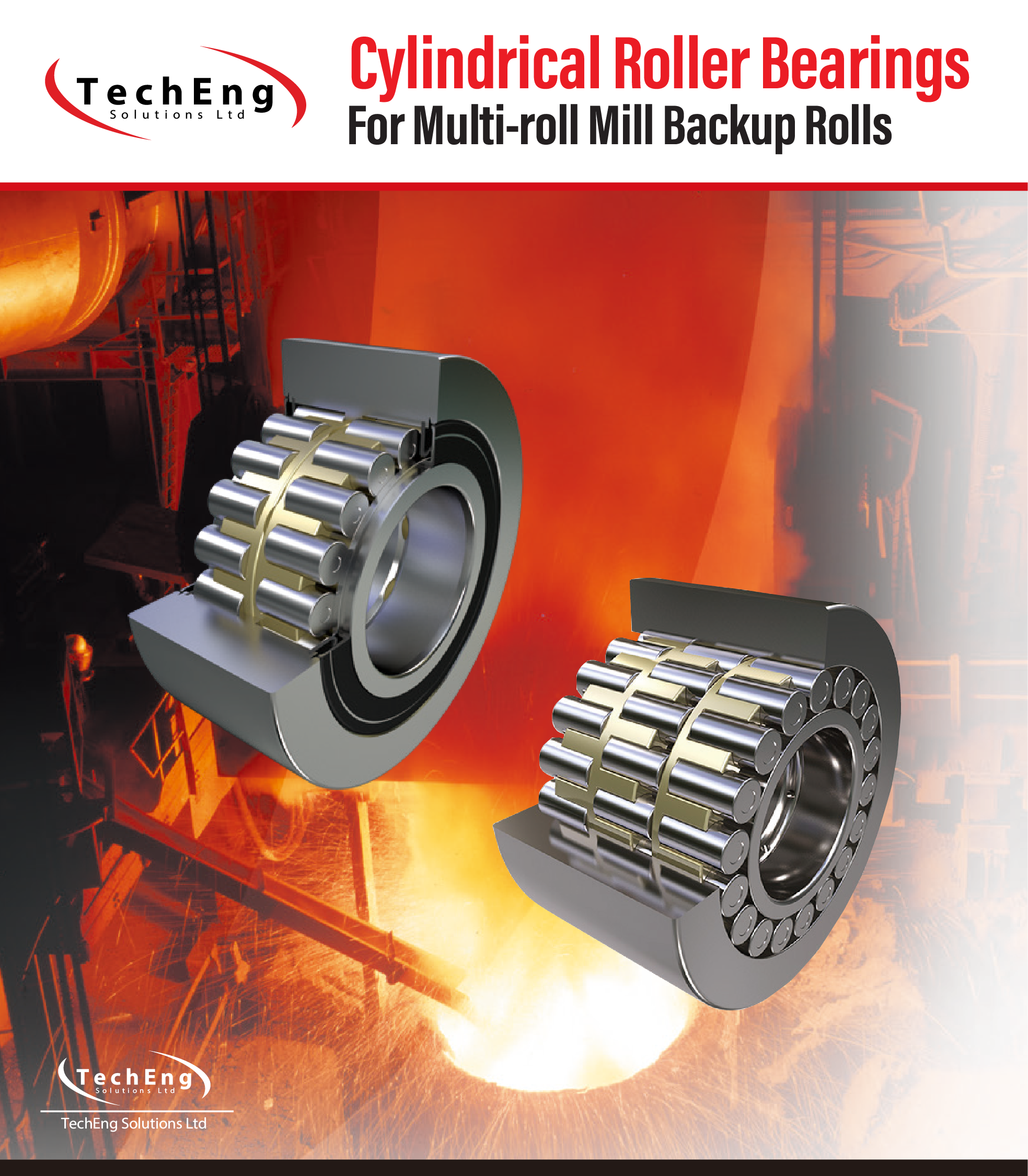

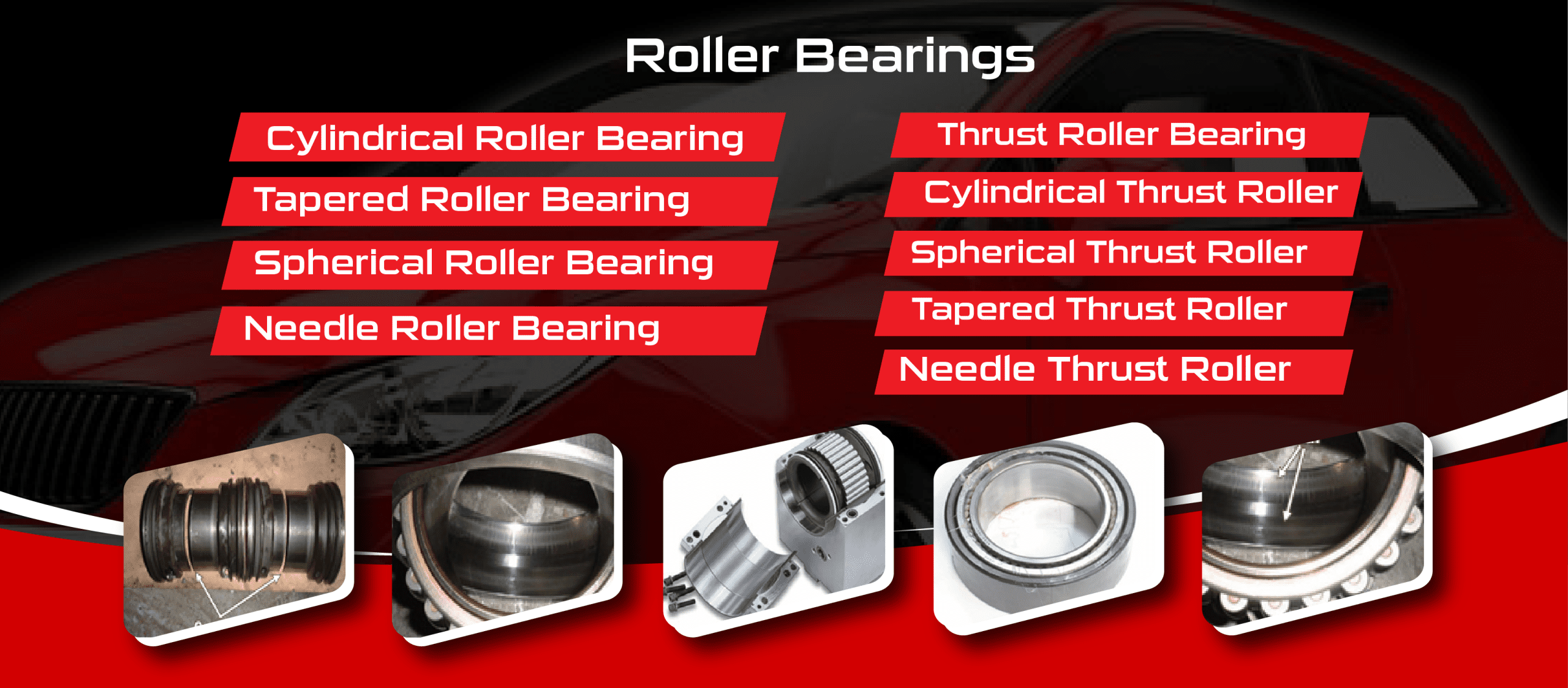
Cylindrical Roller Bearing
A Cylindrical Roller Bearing is a type of rolling-element bearing that uses cylinders as its rolling elements instead of balls. Because the cylindrical rollers make a linear contact with the inner and outer raceways, they can distribute loads over a larger surface area compared to ball bearings, which have point contact. This design gives them a significantly higher radial load capacity and makes them suitable for applications involving heavy loads and high speeds.
Key Characteristics and Types of Cylindrical Roller Bearing
Load Handling: Cylindrical roller bearings are primarily designed to handle heavy radial loads. While some variants with flanges on the rings can handle limited axial loads, they are not ideal for applications with significant thrust forces.
High Rigidity: Their design provides high rigidity, which is crucial for precision machinery where minimal deflection is required under load.
Separable Design: Many cylindrical roller bearings are separable, meaning the inner and outer rings can be mounted separately from the roller and cage assembly. This makes installation and dismounting easier.
Types: Cylindrical roller bearings come in a variety of designs, typically distinguished by the configuration of the ribs (flanges) on the inner and outer rings:
NU and N Series: These have ribs on one ring but not the other, allowing the bearing to accommodate axial displacement between the shaft and housing. They are used as non-locating or “floating” bearings.
NJ and NUP Series: These have ribs on both rings, allowing them to support a small amount of axial load in one or both directions, respectively.
Full Complement: These bearings have no cage and are packed with the maximum number of rollers. While they have an even higher radial load capacity, they are not suitable for high-speed operation.
Multi-row: Bearings with two or four rows of rollers are used for extremely heavy radial loads, such as in rolling mills.
Applications :
Cylindrical roller bearings are commonly found in industries where heavy machinery and high-speed rotation are required. Their ability to withstand immense radial forces makes them indispensable in:
Industrial Gearboxes: For supporting gears and shafts under heavy loads.
Electric Motors: Especially for large, high-power motors.
Pumps: In applications where robust support is needed for the rotating shaft.
Rolling Mills: Where they are subjected to very high radial loads during metal forming.
Wind Turbines: In the gearbox and generator, where they handle high speeds and heavy loads from the rotor.
Machine Tools: For providing the rigidity and precision needed for spindles and other rotating components.
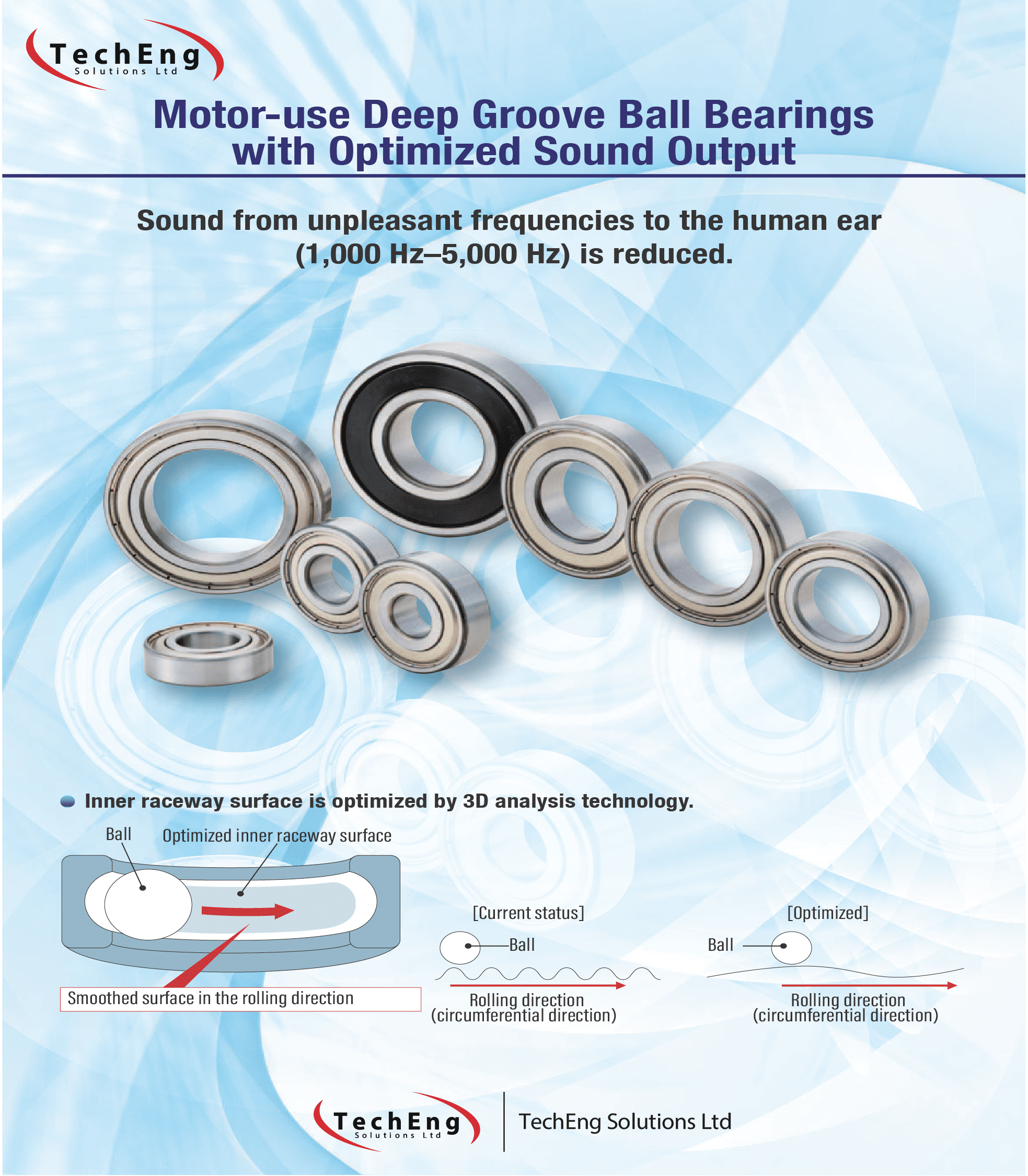
Deep Groove Ball Bearing
Key Features and Advantages :
- Versatility: Can handle both radial and axial loads.
- High-Speed Capability: The design and low friction allow for very high rotational speeds.
- Low Friction and Noise: Ideal for applications where quiet and efficient operation are required.
- Easy to Mount: Their simple and robust design makes them easy to install and maintain.
- Low Maintenance: Many deep groove ball bearings are sealed and pre-lubricated for life, requiring little to no maintenance.
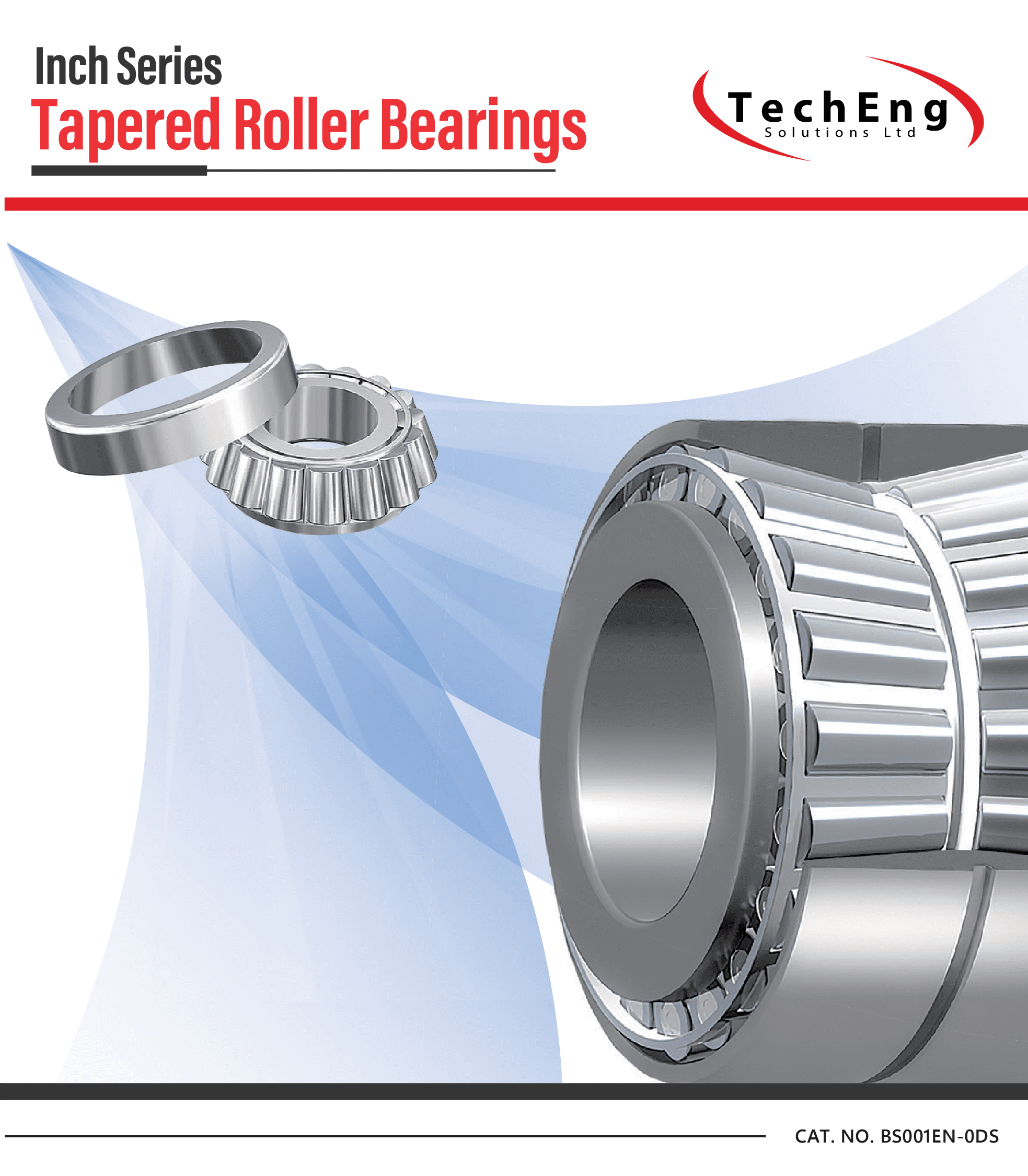
Inch Series Tapered Roller Bearing
An “Inch Series” Tapered Roller Bearing is a type of tapered roller bearing whose dimensions (bore, outside diameter, and width) are standardized and measured in inches, as opposed to the more common metric system.
Key Features of Tapered Roller Bearings
To understand an Inch Series bearing, it’s important to first understand the general characteristics of all tapered roller bearings:
Tapered Design: The inner ring (cone), outer ring (cup), and rollers are all designed with a tapered or conical shape. When a load is applied, the rollers make a linear contact with the raceways, allowing the bearing to handle heavy loads.
Combined Loads: The tapered geometry is specifically designed to manage both heavy radial loads (perpendicular to the shaft) and heavy axial loads (parallel to the shaft).
Separable Components: The cone (inner ring, rollers, and cage) and the cup (outer ring) can be separated. This simplifies installation, as the two components can be mounted onto the shaft and in the housing independently.
Adjustable Clearance: The internal clearance (or “end play”) can be adjusted during installation by changing the axial position of the cone relative to the cup. This allows for precise setting of the bearing for optimal performance in a given application.
The “Inch Series” Distinction
The term “Inch Series” simply refers to the system of measurement used for the bearing’s dimensions.
Metric Series: Bearings with dimensions standardized in millimeters (mm).
Inch Series: Bearings with dimensions standardized in inches (in).
This distinction is crucial for interchangeability and proper fit. Using a metric bearing in a housing designed for an inch bearing (or vice versa) can lead to a loose fit, improper loading, and premature bearing failure.
Naming Convention and Standards
The naming conventions for Inch Series bearings are different from Metric Series. They often use a “Set” number, which is a combination of the part numbers for the inner ring assembly (the cone) and the outer ring (the cup). For example, a bearing might be designated as “Set 4” or “25590/25520,” where “25590” is the part number for the cone and “25520” is the part number for the cup.
These bearings are typically manufactured and designated according to standards set by organizations such as the American Bearing Manufacturers Association (ABMA).
Common Applications
Inch Series tapered roller bearings are widely used in a variety of industries, particularly in North America, where inch-based engineering standards are prevalent. Common applications include:
Automotive: Wheel hubs, transmissions, and differentials.
Heavy-Duty Trucks: Wheel ends and gearboxes.
Agricultural Equipment: Tractors, harvesters, and other farm machinery.
Trailers: Wheel bearings for trailers of all sizes.
Industrial Machinery: Pumps, gearboxes, and other heavy equipment.